Buy recode.eu ?
We are moving the project
recode.eu .
Are you interested in purchasing the domain
recode.eu ?
domain@kv-gmbh.de · 0541-91531010
Buy recode.eu ?
What is a receptor molecule?
A receptor molecule is a protein located on the surface of a cell that binds to specific signaling molecules, such as hormones or neurotransmitters. When the signaling molecule binds to the receptor, it triggers a cellular response, such as a change in gene expression or activation of a signaling pathway. Receptor molecules are crucial for communication between cells and for coordinating various physiological processes within the body. **
Can you explain the receptor potential?
The receptor potential is a change in membrane potential that occurs in sensory receptor cells in response to a stimulus. When a stimulus such as light, sound, or touch activates a sensory receptor, it causes ion channels in the cell membrane to open or close, leading to a change in membrane potential. This change in membrane potential triggers the generation of action potentials, which are then transmitted to the central nervous system for processing and interpretation. The receptor potential serves as the initial step in converting a sensory stimulus into an electrical signal that can be transmitted to the brain for perception. **


Similar search terms for Receptor
Top-Angebote
Products related to Receptor:
-
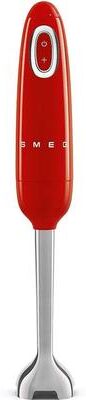
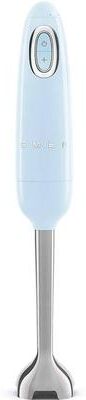
Smeg Tritan Renew Hand Blender with AccessoriesHand blender with 3 accessories: graduated beaker, chopper, and wire whisk, ideal for the maximum versatility in the kitchen. 5-variable speed and turbo function to have the total control of the final result.179,95 $*Shipping: 0,00 $Secure redirect to the provider
-
Strick & Bolton Renew Distressed Geometric Area Rug"Strick & Bolton's Renew collection is made to brighten your room with metallic highlights and transitional designs. The cool neautral color pallet adds a modern flair to any style. These stunning rugs are made in Turkey with a 1/4"" pile height."62,58 $*Shipping: 0,00 $Secure redirect to the provider
-
Inspired Finds Glow & Renew Turmeric Brightening Soap For Underarms, Legs & Face Glow & Renew Turmeric Brightening Soap For Underarms, Legs & FaceReveal Radiance with Every Wash Step into a new level of skin confidence with our Glow & Renew Turmeric Brightening Soap a gentle yet powerful way to reclaim your natural glow. Handcrafted with care, this skinloving bar is ideal for anyone looking...41,99 $*Shipping: 0,00 $Secure redirect to the provider



-
Are regulator and activator proteins also hormone receptor complexes?
Regulator and activator proteins are not the same as hormone receptor complexes, although they may interact with hormone receptor complexes to modulate their activity. Hormone receptor complexes are specific proteins that bind to hormones and initiate a cellular response, while regulator and activator proteins are involved in regulating the activity of these hormone receptor complexes. Regulator and activator proteins can enhance or inhibit the activity of hormone receptor complexes, but they are not themselves hormone receptor complexes. **
-
Why does the receptor potential decrease towards the axon hillock?
The receptor potential decreases towards the axon hillock because the axon hillock acts as a site of integration for incoming signals from various receptors. As the receptor potential travels towards the axon hillock, it undergoes summation with other incoming signals. This integration process helps determine whether an action potential will be generated and propagated down the axon. The decrease in receptor potential towards the axon hillock is crucial for the neuron to make decisions about whether to transmit the signal further. **
-
What is the effect of barbiturates on the GABA-A receptor?
Barbiturates enhance the inhibitory effects of the neurotransmitter GABA on the GABA-A receptor. They bind to a specific site on the receptor and increase the duration of the chloride channel opening, leading to hyperpolarization of the neuron and inhibition of neuronal activity. This results in sedative, hypnotic, and anxiolytic effects, making barbiturates commonly used as central nervous system depressants. Prolonged use of barbiturates can lead to tolerance, dependence, and potentially dangerous withdrawal symptoms. **
-
What is the difference between a receptor and an action potential?
A receptor is a specialized protein molecule that can detect specific signals or stimuli from the environment and initiate a response. On the other hand, an action potential is a brief electrical signal that travels along the membrane of a neuron or muscle cell, allowing for communication between different parts of the body. In summary, receptors detect signals, while action potentials are the electrical signals that transmit information within the body. **
What happens when the receptor potential reaches the central nervous system?
When the receptor potential reaches the central nervous system, it triggers the generation of action potentials in sensory neurons. These action potentials travel along the sensory neurons to the brain, where they are processed and interpreted. The brain then generates a response or perception based on the information received from the receptor potential. This process allows us to sense and respond to various stimuli in our environment. **
How is a receptor potential generated based on the ion theory?
A receptor potential is generated based on the ion theory through the activation of ion channels in response to a stimulus. When a stimulus is detected by a sensory receptor, it causes ion channels in the receptor membrane to open or close, allowing specific ions to flow into or out of the cell. This movement of ions creates a change in the membrane potential, known as the receptor potential. The magnitude of the receptor potential is directly related to the strength of the stimulus, with stronger stimuli leading to larger changes in membrane potential. **
Top-Angebote
Products related to Receptor:
-
Sigma Renew Lip Oil-HushSigma Renew Lip Oils give your lips nourishment of a lip balm and the shine of a lip gloss in one perfect product These smooth, non-sticky lip oils add a protective layer of luxurious high-shine color, and hydration to your lips to help them look soft, supple, and juicy! Available Colours: Renew Lip Oil - Tint Renew Lip Oil - Tranquil Renew Lip Oil - All Heart Renew Lip Oil - Hush Ingredients: Tranquil: Polyglyceryl-2 Isostearate/Dimer Dilinoleate Copolymer, Dimer Dilinoleyl Dimer Dilinoleate, Diisostearyl Malate, Simmondsia Chinensis (Jojoba) Seed Oil, Caprylic/Capric Triglyceride, Disteardimonium Hectorite, Caprylyl Glycol, Helianthus Annuus (Sunflower) Seed Oil, Hydroxyacetophenone, Tocopherol, Tocopheryl Acetate, [May Contain / Peut contenir / Può contenere / (+/-): Titanium Dioxide (CI 77891), Iron Oxides (CI 77491), Iron Oxides (CI 77492), Red 7 Lake (CI 15850), Red 6 (CI 15850), Blue 1 Lake (CI 42090), Red 28 Lake (CI 45410), Yellow 5 Lake (CI 19140), Yellow 6 Lake (CI 15985)]. Hush: Polyglyceryl-2 Isostearate/Dimer Dilinoleate Copolymer, Dimer Dilinoleyl Dimer Dilinoleate, Diisostearyl Malate, Simmondsia Chinensis (Jojoba) Seed Oil, Caprylic/Capric Triglyceride, Disteardimonium Hectorite, Caprylyl Glycol, Citric Acid, Helianthus Annuus (Sunflower) Seed Oil, Hydroxyacetophenone, Tocopherol, Tocopheryl Acetate, [May Contain / Peut contenir / Può contenere / (+/-): Red 27 Lake (CI 45410), Iron Oxides (CI 77491), Blue 1 Lake (CI 42090), Red 28 Lake (CI 45410), Red 6 (CI 15850), Red 7 Lake (15850), Yellow 5 Lake (CI 19140), Yellow 6 Lake (CI 15985)]. All heart: Polyglyceryl-2 Isostearate/Dimer Dilinoleate Copolymer, Dimer Dilinoleyl Dimer Dilinoleate, Diisostearyl Malate, Simmondsia Chinensis (Jojoba) Seed Oil, Caprylic/Capric Triglyceride, Disteardimonium Hectorite, Caprylyl Glycol, Helianthus Annuus (Sunflower) Seed Oil, Hydroxyacetophenone, Tocopherol, Tocopheryl Acetate, [May Contain / Peut contenir / Può contenere / (+/-): Titanium Dioxide (CI 77891), Iron Oxides (CI 77491), Iron Oxides (CI 77492), Red 7 Lake (CI 15850), Red 6 (CI 15850), Blue 1 Lake (CI 42090), Red 28 Lake (CI 45410), Yellow 5 Lake (CI 19140), Yellow 6 Lake (CI 15985)]. Tint: Polyglyceryl-2 Isostearate/Dimer Dilinoleate Copolymer, Dimer Dilinoleyl Dimer Dilinoleate, Diisostearyl Malate, Simmondsia Chinensis (Jojoba) Seed Oil, Caprylic/Capric Triglyceride, Disteardimonium Hectorite, Caprylyl Glycol, Helianthus Annuus (Sunflower) Seed Oil, Hydroxyacetophenone, Tocopherol, Tocopheryl Acetate, [May Contain / Peut contenir / Può contenere / (+/-): Titanium Dioxide (CI 77891), Iron Oxides (CI 77491), Iron Oxides (CI 77492), Red 7 Lake (CI 15850), Red 6 (CI 15850), Blue 1 Lake (CI 42090), Red 28 Lake (CI 45410), Yellow 5 Lake (CI 19140), Yellow 6 Lake (CI 15985)].23,00 £*Shipping: 2,95 £Secure redirect to the provider
-
Georgia Boot RevAMP Chelsea - Womens 7.5 Brown Boot Medium"*Full-grain leather upper *Wider opening and nylon pull loops for easier on/off *Soft mesh lining *AMP LT footbed with Memory Foam *Steel shank *Goodyear welt construction *Oil- and slip-resistant polyurethane outsole *1-1/4"" heel height *ASTM F2892..."145,00 $*Shipping: 0,00 $Secure redirect to the provider
-
Smeg Tritan Renew Hand Blender with AccessoriesHand blender with 3 accessories: graduated beaker, chopper, and wire whisk, ideal for the maximum versatility in the kitchen. 5-variable speed and turbo function to have the total control of the final result.179,95 $*Shipping: 0,00 $Secure redirect to the provider
-
What is a receptor molecule?
A receptor molecule is a protein located on the surface of a cell that binds to specific signaling molecules, such as hormones or neurotransmitters. When the signaling molecule binds to the receptor, it triggers a cellular response, such as a change in gene expression or activation of a signaling pathway. Receptor molecules are crucial for communication between cells and for coordinating various physiological processes within the body. **
-
Can you explain the receptor potential?
The receptor potential is a change in membrane potential that occurs in sensory receptor cells in response to a stimulus. When a stimulus such as light, sound, or touch activates a sensory receptor, it causes ion channels in the cell membrane to open or close, leading to a change in membrane potential. This change in membrane potential triggers the generation of action potentials, which are then transmitted to the central nervous system for processing and interpretation. The receptor potential serves as the initial step in converting a sensory stimulus into an electrical signal that can be transmitted to the brain for perception. **
-
Are regulator and activator proteins also hormone receptor complexes?
Regulator and activator proteins are not the same as hormone receptor complexes, although they may interact with hormone receptor complexes to modulate their activity. Hormone receptor complexes are specific proteins that bind to hormones and initiate a cellular response, while regulator and activator proteins are involved in regulating the activity of these hormone receptor complexes. Regulator and activator proteins can enhance or inhibit the activity of hormone receptor complexes, but they are not themselves hormone receptor complexes. **
-
Why does the receptor potential decrease towards the axon hillock?
The receptor potential decreases towards the axon hillock because the axon hillock acts as a site of integration for incoming signals from various receptors. As the receptor potential travels towards the axon hillock, it undergoes summation with other incoming signals. This integration process helps determine whether an action potential will be generated and propagated down the axon. The decrease in receptor potential towards the axon hillock is crucial for the neuron to make decisions about whether to transmit the signal further. **
Similar search terms for Receptor
-
Strick & Bolton Renew Distressed Geometric Area Rug"Strick & Bolton's Renew collection is made to brighten your room with metallic highlights and transitional designs. The cool neautral color pallet adds a modern flair to any style. These stunning rugs are made in Turkey with a 1/4"" pile height."62,58 $*Shipping: 0,00 $Secure redirect to the provider
-
Inspired Finds Glow & Renew Turmeric Brightening Soap For Underarms, Legs & Face Glow & Renew Turmeric Brightening Soap For Underarms, Legs & FaceReveal Radiance with Every Wash Step into a new level of skin confidence with our Glow & Renew Turmeric Brightening Soap a gentle yet powerful way to reclaim your natural glow. Handcrafted with care, this skinloving bar is ideal for anyone looking...41,99 $*Shipping: 0,00 $Secure redirect to the provider
-
Smeg Tritan Renew Hand Blender with AccessoriesHand blender with 3 accessories: graduated beaker, chopper, and wire whisk, ideal for the maximum versatility in the kitchen. 5-variable speed and turbo function to have the total control of the final result.179,95 $*Shipping: 0,00 $Secure redirect to the provider
-
Smeg Tritan Renew Hand Blender with AccessoriesHand blender with 3 accessories: graduated beaker, chopper, and wire whisk, ideal for the maximum versatility in the kitchen. 5-variable speed and turbo function to have the total control of the final result.179,95 $*Shipping: 0,00 $Secure redirect to the provider
-
What is the effect of barbiturates on the GABA-A receptor?
Barbiturates enhance the inhibitory effects of the neurotransmitter GABA on the GABA-A receptor. They bind to a specific site on the receptor and increase the duration of the chloride channel opening, leading to hyperpolarization of the neuron and inhibition of neuronal activity. This results in sedative, hypnotic, and anxiolytic effects, making barbiturates commonly used as central nervous system depressants. Prolonged use of barbiturates can lead to tolerance, dependence, and potentially dangerous withdrawal symptoms. **
-
What is the difference between a receptor and an action potential?
A receptor is a specialized protein molecule that can detect specific signals or stimuli from the environment and initiate a response. On the other hand, an action potential is a brief electrical signal that travels along the membrane of a neuron or muscle cell, allowing for communication between different parts of the body. In summary, receptors detect signals, while action potentials are the electrical signals that transmit information within the body. **
-
What happens when the receptor potential reaches the central nervous system?
When the receptor potential reaches the central nervous system, it triggers the generation of action potentials in sensory neurons. These action potentials travel along the sensory neurons to the brain, where they are processed and interpreted. The brain then generates a response or perception based on the information received from the receptor potential. This process allows us to sense and respond to various stimuli in our environment. **
-
How is a receptor potential generated based on the ion theory?
A receptor potential is generated based on the ion theory through the activation of ion channels in response to a stimulus. When a stimulus is detected by a sensory receptor, it causes ion channels in the receptor membrane to open or close, allowing specific ions to flow into or out of the cell. This movement of ions creates a change in the membrane potential, known as the receptor potential. The magnitude of the receptor potential is directly related to the strength of the stimulus, with stronger stimuli leading to larger changes in membrane potential. **
* All prices are inclusive of VAT and, if applicable, plus shipping costs. The offer information is based on the details provided by the respective shop and is updated through automated processes. Real-time updates do not occur, so deviations can occur in individual cases. ** Note: Parts of this content were created by AI.