Buy recode.eu ?
We are moving the project
recode.eu .
Are you interested in purchasing the domain
recode.eu ?
domain@kv-gmbh.de · 0541-91531010
Buy recode.eu ?
Are figs carnivorous plants?
No, figs are not carnivorous plants. Figs are actually a type of fruit that grows on the Ficus tree. They are not capable of trapping, killing, and digesting insects or other small animals like true carnivorous plants such as Venus flytraps or pitcher plants. Figs rely on animals to help with pollination and dispersal of their seeds, but they do not consume animals for nutrients. **
Can carnivorous plants poop?
Carnivorous plants do not have a digestive system like animals do, so they do not produce waste in the same way. Instead, they absorb nutrients from the insects and other small organisms they capture and digest. Any undigested parts of their prey are typically left as a husk or excreted in a form that does not resemble animal waste. Therefore, carnivorous plants do not "poop" in the traditional sense. **
Similar search terms for Carnivorous
Top-Angebote
Products related to Carnivorous:
-
Strick & Bolton Renew Distressed Geometric Area Rug"Strick & Bolton's Renew collection is made to brighten your room with metallic highlights and transitional designs. The cool neautral color pallet adds a modern flair to any style. These stunning rugs are made in Turkey with a 1/4"" pile height."62,58 $*Shipping: 0,00 $Secure redirect to the provider
-
Strick & Bolton Renew Industrial Ombre Area Rug"Strick & Bolton's Renew collection is made to brighten your room with metallic highlights and transitional designs. The cool neautral color pallet adds a modern flair to any style. These stunning rugs are made in Turkey with a 1/4"" pile height."113,59 $*Shipping: 0,00 $Secure redirect to the provider
-
Strick & Bolton Renew Industrial Abstract Area Rug"Strick & Bolton's Renew collection is made to brighten your room with metallic highlights and transitional designs. The cool neautral color pallet adds a modern flair to any style. These stunning rugs are made in Turkey with a 1/4"" pile height."871,49 $*Shipping: 0,00 $Secure redirect to the provider



-
Are there carnivorous monkeys?
Yes, there are carnivorous monkeys. One example is the rare and endangered Colombian white-faced capuchin, which has been observed hunting and eating small mammals such as squirrels and birds. Another example is the black-capped capuchin, which has been observed hunting and eating small vertebrates like birds, lizards, and even bats. While most monkeys are primarily herbivorous, there are some species that have been observed exhibiting carnivorous behavior. **
-
What are carnivorous animals?
Carnivorous animals are animals that primarily feed on the flesh of other animals. They have evolved to have sharp teeth and claws for hunting and killing prey. Examples of carnivorous animals include lions, tigers, wolves, and eagles. These animals play an important role in maintaining the balance of ecosystems by controlling the population of herbivorous animals. **
-
Representative species of carnivorous plants
Some representative species of carnivorous plants include: 1. Venus flytrap (Dionaea muscipula) 2. Pitcher plant (Nepenthes spp.) 3. Sundew (Drosera spp.) 4. Bladderwort (Utricularia spp.) 5. Cobra plant (Darlingtonia californica) **
-
Do carnivorous plants bite fingers?
No, carnivorous plants do not bite fingers. While some carnivorous plants have mechanisms to trap and digest insects, they are not capable of biting or harming larger organisms like humans. These plants typically use specialized structures such as sticky hairs, pitfall traps, or suction traps to capture their prey. It is important to handle carnivorous plants with care to avoid damaging their delicate structures. **


"Will my carnivorous plant die?"
Carnivorous plants can die if they are not properly cared for. It is important to provide them with the right growing conditions, such as the right soil, water, and sunlight. Additionally, feeding them the appropriate insects or using a fertilizer specifically designed for carnivorous plants can help ensure their survival. Regular monitoring and maintenance are also important to keep the plant healthy and thriving. **
Do plants eat carnivorous animals?
No, plants do not eat carnivorous animals. Carnivorous plants, such as Venus flytraps and pitcher plants, have evolved to capture and digest small insects and other organisms as a way to supplement their nutrient intake, particularly in nutrient-poor environments. However, they do not actively seek out and consume larger carnivorous animals. Plants primarily obtain their nutrients through photosynthesis and absorption from the soil. **
Top-Angebote
Products related to Carnivorous:
-
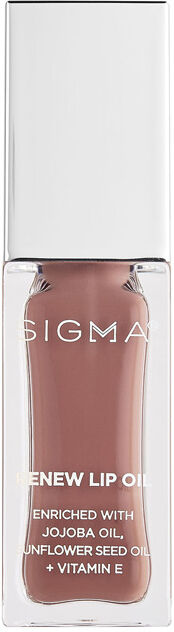
Sigma Renew Lip Oil-HushSigma Renew Lip Oils give your lips nourishment of a lip balm and the shine of a lip gloss in one perfect product These smooth, non-sticky lip oils add a protective layer of luxurious high-shine color, and hydration to your lips to help them look soft, supple, and juicy! Available Colours: Renew Lip Oil - Tint Renew Lip Oil - Tranquil Renew Lip Oil - All Heart Renew Lip Oil - Hush Ingredients: Tranquil: Polyglyceryl-2 Isostearate/Dimer Dilinoleate Copolymer, Dimer Dilinoleyl Dimer Dilinoleate, Diisostearyl Malate, Simmondsia Chinensis (Jojoba) Seed Oil, Caprylic/Capric Triglyceride, Disteardimonium Hectorite, Caprylyl Glycol, Helianthus Annuus (Sunflower) Seed Oil, Hydroxyacetophenone, Tocopherol, Tocopheryl Acetate, [May Contain / Peut contenir / Può contenere / (+/-): Titanium Dioxide (CI 77891), Iron Oxides (CI 77491), Iron Oxides (CI 77492), Red 7 Lake (CI 15850), Red 6 (CI 15850), Blue 1 Lake (CI 42090), Red 28 Lake (CI 45410), Yellow 5 Lake (CI 19140), Yellow 6 Lake (CI 15985)]. Hush: Polyglyceryl-2 Isostearate/Dimer Dilinoleate Copolymer, Dimer Dilinoleyl Dimer Dilinoleate, Diisostearyl Malate, Simmondsia Chinensis (Jojoba) Seed Oil, Caprylic/Capric Triglyceride, Disteardimonium Hectorite, Caprylyl Glycol, Citric Acid, Helianthus Annuus (Sunflower) Seed Oil, Hydroxyacetophenone, Tocopherol, Tocopheryl Acetate, [May Contain / Peut contenir / Può contenere / (+/-): Red 27 Lake (CI 45410), Iron Oxides (CI 77491), Blue 1 Lake (CI 42090), Red 28 Lake (CI 45410), Red 6 (CI 15850), Red 7 Lake (15850), Yellow 5 Lake (CI 19140), Yellow 6 Lake (CI 15985)]. All heart: Polyglyceryl-2 Isostearate/Dimer Dilinoleate Copolymer, Dimer Dilinoleyl Dimer Dilinoleate, Diisostearyl Malate, Simmondsia Chinensis (Jojoba) Seed Oil, Caprylic/Capric Triglyceride, Disteardimonium Hectorite, Caprylyl Glycol, Helianthus Annuus (Sunflower) Seed Oil, Hydroxyacetophenone, Tocopherol, Tocopheryl Acetate, [May Contain / Peut contenir / Può contenere / (+/-): Titanium Dioxide (CI 77891), Iron Oxides (CI 77491), Iron Oxides (CI 77492), Red 7 Lake (CI 15850), Red 6 (CI 15850), Blue 1 Lake (CI 42090), Red 28 Lake (CI 45410), Yellow 5 Lake (CI 19140), Yellow 6 Lake (CI 15985)]. Tint: Polyglyceryl-2 Isostearate/Dimer Dilinoleate Copolymer, Dimer Dilinoleyl Dimer Dilinoleate, Diisostearyl Malate, Simmondsia Chinensis (Jojoba) Seed Oil, Caprylic/Capric Triglyceride, Disteardimonium Hectorite, Caprylyl Glycol, Helianthus Annuus (Sunflower) Seed Oil, Hydroxyacetophenone, Tocopherol, Tocopheryl Acetate, [May Contain / Peut contenir / Può contenere / (+/-): Titanium Dioxide (CI 77891), Iron Oxides (CI 77491), Iron Oxides (CI 77492), Red 7 Lake (CI 15850), Red 6 (CI 15850), Blue 1 Lake (CI 42090), Red 28 Lake (CI 45410), Yellow 5 Lake (CI 19140), Yellow 6 Lake (CI 15985)].23,00 £*Shipping: 2,95 £Secure redirect to the provider
-
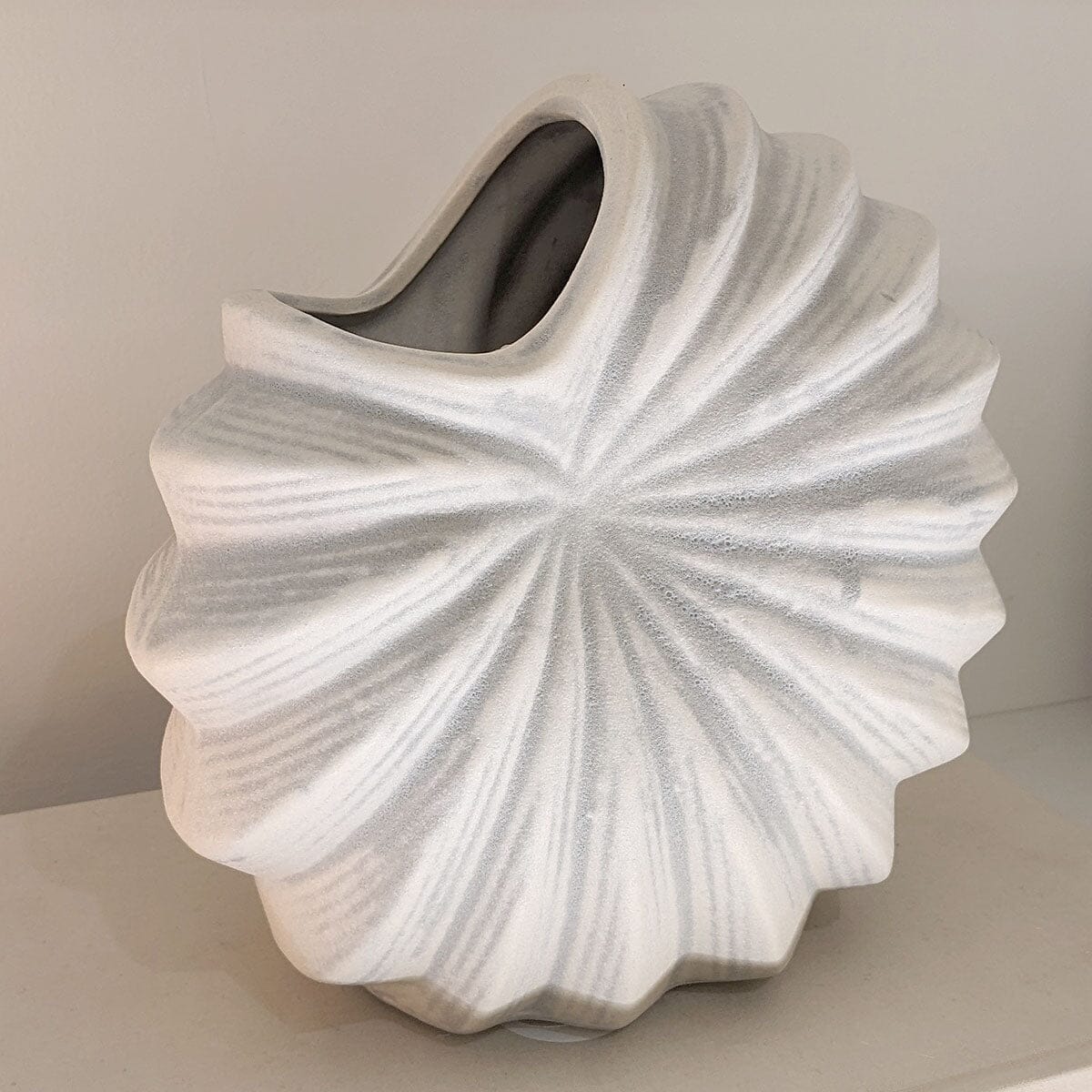
Renew White Textured Shell Decorative VaseThe Renew White Textured Shell Decorative Vase is a stunning coastal-inspired piece. With its unique shell design and textured white finish, it adds an airy, modern elegance to any room. Perfect for displaying dried flowers or as a standalone accent, this vase complements a variety of interior styles. Whether placed on a shelf, mantel, or table, it brings a touch of the seaside into your home, enhancing your décor with natural charm. Dimensions: 20.5 x 11 x 19.5cm24,00 £*Shipping: 4,99 £Secure redirect to the provider
-
Strick & Bolton Renew Distressed Geometric Area Rug"Strick & Bolton's Renew collection is made to brighten your room with metallic highlights and transitional designs. The cool neautral color pallet adds a modern flair to any style. These stunning rugs are made in Turkey with a 1/4"" pile height."62,58 $*Shipping: 0,00 $Secure redirect to the provider
-
Are figs carnivorous plants?
No, figs are not carnivorous plants. Figs are actually a type of fruit that grows on the Ficus tree. They are not capable of trapping, killing, and digesting insects or other small animals like true carnivorous plants such as Venus flytraps or pitcher plants. Figs rely on animals to help with pollination and dispersal of their seeds, but they do not consume animals for nutrients. **
-
Can carnivorous plants poop?
Carnivorous plants do not have a digestive system like animals do, so they do not produce waste in the same way. Instead, they absorb nutrients from the insects and other small organisms they capture and digest. Any undigested parts of their prey are typically left as a husk or excreted in a form that does not resemble animal waste. Therefore, carnivorous plants do not "poop" in the traditional sense. **
-
Are there carnivorous monkeys?
Yes, there are carnivorous monkeys. One example is the rare and endangered Colombian white-faced capuchin, which has been observed hunting and eating small mammals such as squirrels and birds. Another example is the black-capped capuchin, which has been observed hunting and eating small vertebrates like birds, lizards, and even bats. While most monkeys are primarily herbivorous, there are some species that have been observed exhibiting carnivorous behavior. **
-
What are carnivorous animals?
Carnivorous animals are animals that primarily feed on the flesh of other animals. They have evolved to have sharp teeth and claws for hunting and killing prey. Examples of carnivorous animals include lions, tigers, wolves, and eagles. These animals play an important role in maintaining the balance of ecosystems by controlling the population of herbivorous animals. **
Similar search terms for Carnivorous
-
Strick & Bolton Renew Industrial Ombre Area Rug"Strick & Bolton's Renew collection is made to brighten your room with metallic highlights and transitional designs. The cool neautral color pallet adds a modern flair to any style. These stunning rugs are made in Turkey with a 1/4"" pile height."113,59 $*Shipping: 0,00 $Secure redirect to the provider
-
Strick & Bolton Renew Industrial Abstract Area Rug"Strick & Bolton's Renew collection is made to brighten your room with metallic highlights and transitional designs. The cool neautral color pallet adds a modern flair to any style. These stunning rugs are made in Turkey with a 1/4"" pile height."871,49 $*Shipping: 0,00 $Secure redirect to the provider
-
Strick & Bolton Renew Distressed Geometric Area Rug"Strick & Bolton's Renew collection is made to brighten your room with metallic highlights and transitional designs. The cool neautral color pallet adds a modern flair to any style. These stunning rugs are made in Turkey with a 1/4"" pile height."68,09 $*Shipping: 0,00 $Secure redirect to the provider
-
Strick & Bolton Renew Industrial Ombre Area Rug"Strick & Bolton's Renew collection is made to brighten your room with metallic highlights and transitional designs. The cool neautral color pallet adds a modern flair to any style. These stunning rugs are made in Turkey with a 1/4"" pile height."69,59 $*Shipping: 0,00 $Secure redirect to the provider
-
Representative species of carnivorous plants
Some representative species of carnivorous plants include: 1. Venus flytrap (Dionaea muscipula) 2. Pitcher plant (Nepenthes spp.) 3. Sundew (Drosera spp.) 4. Bladderwort (Utricularia spp.) 5. Cobra plant (Darlingtonia californica) **
-
Do carnivorous plants bite fingers?
No, carnivorous plants do not bite fingers. While some carnivorous plants have mechanisms to trap and digest insects, they are not capable of biting or harming larger organisms like humans. These plants typically use specialized structures such as sticky hairs, pitfall traps, or suction traps to capture their prey. It is important to handle carnivorous plants with care to avoid damaging their delicate structures. **
-
"Will my carnivorous plant die?"
Carnivorous plants can die if they are not properly cared for. It is important to provide them with the right growing conditions, such as the right soil, water, and sunlight. Additionally, feeding them the appropriate insects or using a fertilizer specifically designed for carnivorous plants can help ensure their survival. Regular monitoring and maintenance are also important to keep the plant healthy and thriving. **
-
Do plants eat carnivorous animals?
No, plants do not eat carnivorous animals. Carnivorous plants, such as Venus flytraps and pitcher plants, have evolved to capture and digest small insects and other organisms as a way to supplement their nutrient intake, particularly in nutrient-poor environments. However, they do not actively seek out and consume larger carnivorous animals. Plants primarily obtain their nutrients through photosynthesis and absorption from the soil. **
* All prices are inclusive of VAT and, if applicable, plus shipping costs. The offer information is based on the details provided by the respective shop and is updated through automated processes. Real-time updates do not occur, so deviations can occur in individual cases. ** Note: Parts of this content were created by AI.