Buy recode.eu ?
We are moving the project
recode.eu .
Are you interested in purchasing the domain
recode.eu ?
domain@kv-gmbh.de · 0541-91531010
Buy recode.eu ?
How to taper off proton pump inhibitors?
To taper off proton pump inhibitors (PPIs), it is recommended to gradually reduce the dosage over a period of several weeks to minimize the risk of rebound acid hypersecretion. This can be done by gradually decreasing the frequency of taking the medication or by switching to a lower dose. It is important to consult with a healthcare provider before making any changes to your PPI regimen to ensure a safe and effective tapering plan tailored to your individual needs. Additionally, lifestyle modifications such as dietary changes and stress management techniques may help in managing acid reflux symptoms during the tapering process. **
What is proton donation and proton acceptance in chemistry?
Proton donation and proton acceptance are key concepts in acid-base chemistry. Proton donation refers to the transfer of a hydrogen ion (proton) from one substance to another. This typically occurs when an acid donates a proton to a base. Proton acceptance, on the other hand, involves the acceptance of a proton by a substance, often a base, leading to the formation of a new chemical species. These processes are fundamental to understanding the behavior of acids and bases in chemical reactions. **

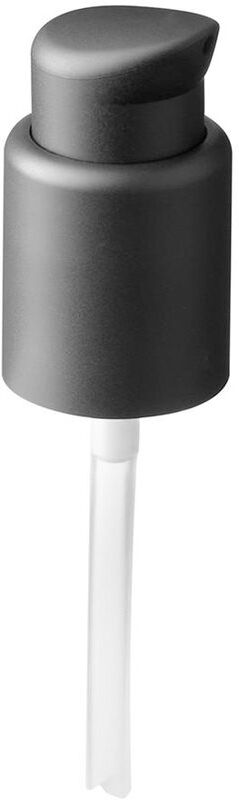
Similar search terms for Proton-pump
Top-Angebote
Products related to Proton-pump:
-
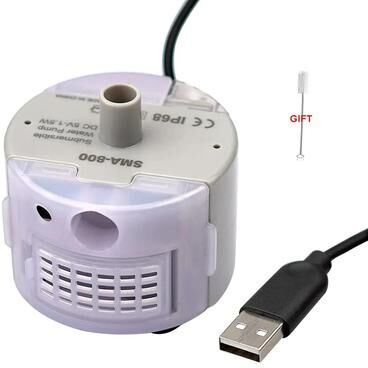
Inspire Essentials Pet Fountain Water Pump Replacement water PumpKeep your pet's water fountain running smoothly with a reliable replacement pump designed for continuous water circulation. This quiet Pet Fountain Pump helps maintain a steady flow of fresh water, encouraging cats and dogs to stay hydrated...34,98 $*Shipping: 0,00 $Secure redirect to the provider
-
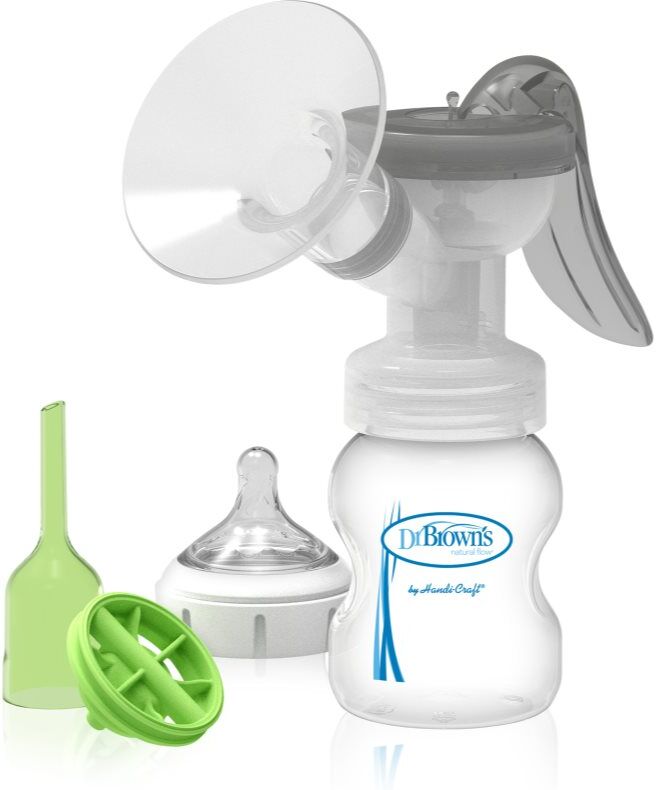
Dr. Brown's Manual Breast Pump breast pump 1 pcDr. Brown's Manual Breast Pump, 1 pc, Breast Pumps for Women, In those situations when your baby won’t latch to your breast, you’ll really appreciate the Dr. Brown's Manual Breast Pump breast milk pump. This product will become an indispensable tool for collecting and storing breast milk to feed your baby. Characteristics: effective suction manual pump comes with a bottle and a teat The set contains: breast pump anti-colic bottle 150 ml travel case cleaning brush33,90 £*Shipping: 3,99 £Secure redirect to the provider
-
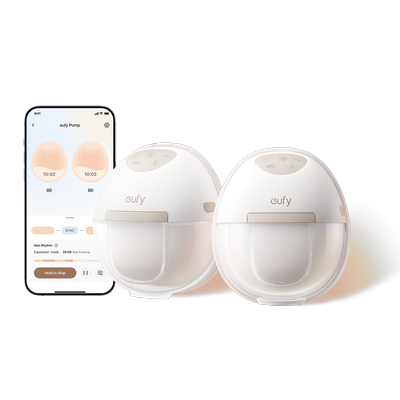
eufy Wearable Breast Pump S1 eufy Breast Pump S1HSA/FSA Eligible: Save with pre-tax health dollars. The Innovative Heated Wearable Breast Pump: Groundbreaking HeatFlow™ technology prevents clogs and boosts your output by 30%¹. Enjoy high-efficiency pumping with spa-like warmth. Note: 1. Based on...169,99 $*Shipping: 0,00 $Secure redirect to the provider
-
eufy Wearable Breast Pump E20 eufy Breast Pump E20HSA/FSA Eligible: Save with pre-tax health dollars. The Innovative Heated Wearable Breast Pump: Groundbreaking HeatFlow™ technology prevents clogs and gives you 30% more output. Enjoy warm, spa-like pumping with high efficiency.*Based on actual...132,99 $*Shipping: 0,00 $Secure redirect to the provider

-
What is meant by proton donors and proton acceptors?
Proton donors are substances that can donate a proton (H+) to another substance. This typically involves the release of a hydrogen ion. Proton acceptors, on the other hand, are substances that can accept a proton from another substance. This typically involves the uptake of a hydrogen ion. In the context of acid-base reactions, proton donors are acids, while proton acceptors are bases. **
-
What determines a proton donor and a proton acceptor?
A proton donor is a substance that can release a proton (H+) in a chemical reaction, while a proton acceptor is a substance that can accept a proton. This ability is determined by the presence of a hydrogen atom with a positive charge (H+) in the molecule. In general, substances with a lone pair of electrons, such as a hydroxide ion (OH-) or an amine group (NH2), can act as proton acceptors, while substances with a hydrogen atom bonded to an electronegative atom, such as a hydrochloric acid (HCl) or acetic acid (CH3COOH), can act as proton donors. **
-
Why are carboxylic acids proton donors and amines proton acceptors?
Carboxylic acids are proton donors because they contain a highly electronegative oxygen atom that can stabilize the resulting carboxylate anion by delocalizing the negative charge. Amines, on the other hand, are proton acceptors because they contain a lone pair of electrons on the nitrogen atom that can readily accept a proton to form a positively charged ammonium ion. This ability to donate or accept protons is due to the presence of functional groups in these molecules that can easily gain or lose a hydrogen ion in solution. **
-
Are there only proton-proton collisions in the particle accelerator?
No, there are not only proton-proton collisions in the particle accelerator. Particle accelerators can also collide protons with other particles such as electrons or heavy ions like lead or gold. These collisions are important for studying different aspects of particle physics and for exploring the fundamental forces and particles that make up the universe. By colliding different types of particles, scientists can gain a better understanding of the fundamental building blocks of matter and the forces that govern their interactions. **
How secure is Proton?
Proton is considered to be a highly secure email service. It offers end-to-end encryption for emails, meaning that only the sender and recipient can read the contents of the messages. Proton also uses strong encryption protocols to protect user data and has a strict privacy policy that ensures user information is not shared with third parties. Additionally, Proton is based in Switzerland, known for its strong privacy laws, adding an extra layer of security for users. **
What are proton currents?
Proton currents refer to the flow of protons, which are positively charged particles, through a medium. This flow of protons can occur in various contexts, such as in biological systems, in proton-conducting materials, or in the context of proton exchange membrane fuel cells. Proton currents are important in many physiological processes, such as the generation of energy in cells through the process of oxidative phosphorylation. In the context of proton-conducting materials and fuel cells, proton currents are important for the generation of electrical energy. **
Top-Angebote
Products related to Proton-pump:
-
Maria Nila Cream Heat Spray to Rebuild Damaged Hair 75mLA hair-care product. Cream Heat Spray rebuilds damaged hair, adds moisture, and prevents split ends while providing heat protection. Nourishing cream-based spray rebuilds damaged hair for improved health. Provides heat protection to shield hair from damage when using hot tools. Versatile formula can be used on both damp and dry hair for maximum convenience.14,03 £*Shipping: 5,34 £Secure redirect to the provider
-
Inspire Essentials Pet Fountain Water Pump Replacement water PumpKeep your pet's water fountain running smoothly with a reliable replacement pump designed for continuous water circulation. This quiet Pet Fountain Pump helps maintain a steady flow of fresh water, encouraging cats and dogs to stay hydrated...34,98 $*Shipping: 0,00 $Secure redirect to the provider
-
Dr. Brown's Manual Breast Pump breast pump 1 pcDr. Brown's Manual Breast Pump, 1 pc, Breast Pumps for Women, In those situations when your baby won’t latch to your breast, you’ll really appreciate the Dr. Brown's Manual Breast Pump breast milk pump. This product will become an indispensable tool for collecting and storing breast milk to feed your baby. Characteristics: effective suction manual pump comes with a bottle and a teat The set contains: breast pump anti-colic bottle 150 ml travel case cleaning brush33,90 £*Shipping: 3,99 £Secure redirect to the provider
-
How to taper off proton pump inhibitors?
To taper off proton pump inhibitors (PPIs), it is recommended to gradually reduce the dosage over a period of several weeks to minimize the risk of rebound acid hypersecretion. This can be done by gradually decreasing the frequency of taking the medication or by switching to a lower dose. It is important to consult with a healthcare provider before making any changes to your PPI regimen to ensure a safe and effective tapering plan tailored to your individual needs. Additionally, lifestyle modifications such as dietary changes and stress management techniques may help in managing acid reflux symptoms during the tapering process. **
-
What is proton donation and proton acceptance in chemistry?
Proton donation and proton acceptance are key concepts in acid-base chemistry. Proton donation refers to the transfer of a hydrogen ion (proton) from one substance to another. This typically occurs when an acid donates a proton to a base. Proton acceptance, on the other hand, involves the acceptance of a proton by a substance, often a base, leading to the formation of a new chemical species. These processes are fundamental to understanding the behavior of acids and bases in chemical reactions. **
-
What is meant by proton donors and proton acceptors?
Proton donors are substances that can donate a proton (H+) to another substance. This typically involves the release of a hydrogen ion. Proton acceptors, on the other hand, are substances that can accept a proton from another substance. This typically involves the uptake of a hydrogen ion. In the context of acid-base reactions, proton donors are acids, while proton acceptors are bases. **
-
What determines a proton donor and a proton acceptor?
A proton donor is a substance that can release a proton (H+) in a chemical reaction, while a proton acceptor is a substance that can accept a proton. This ability is determined by the presence of a hydrogen atom with a positive charge (H+) in the molecule. In general, substances with a lone pair of electrons, such as a hydroxide ion (OH-) or an amine group (NH2), can act as proton acceptors, while substances with a hydrogen atom bonded to an electronegative atom, such as a hydrochloric acid (HCl) or acetic acid (CH3COOH), can act as proton donors. **
Similar search terms for Proton-pump
-
eufy Wearable Breast Pump S1 eufy Breast Pump S1HSA/FSA Eligible: Save with pre-tax health dollars. The Innovative Heated Wearable Breast Pump: Groundbreaking HeatFlow™ technology prevents clogs and boosts your output by 30%¹. Enjoy high-efficiency pumping with spa-like warmth. Note: 1. Based on...169,99 $*Shipping: 0,00 $Secure redirect to the provider
-
eufy Wearable Breast Pump E20 eufy Breast Pump E20HSA/FSA Eligible: Save with pre-tax health dollars. The Innovative Heated Wearable Breast Pump: Groundbreaking HeatFlow™ technology prevents clogs and gives you 30% more output. Enjoy warm, spa-like pumping with high efficiency.*Based on actual...132,99 $*Shipping: 0,00 $Secure redirect to the provider
-
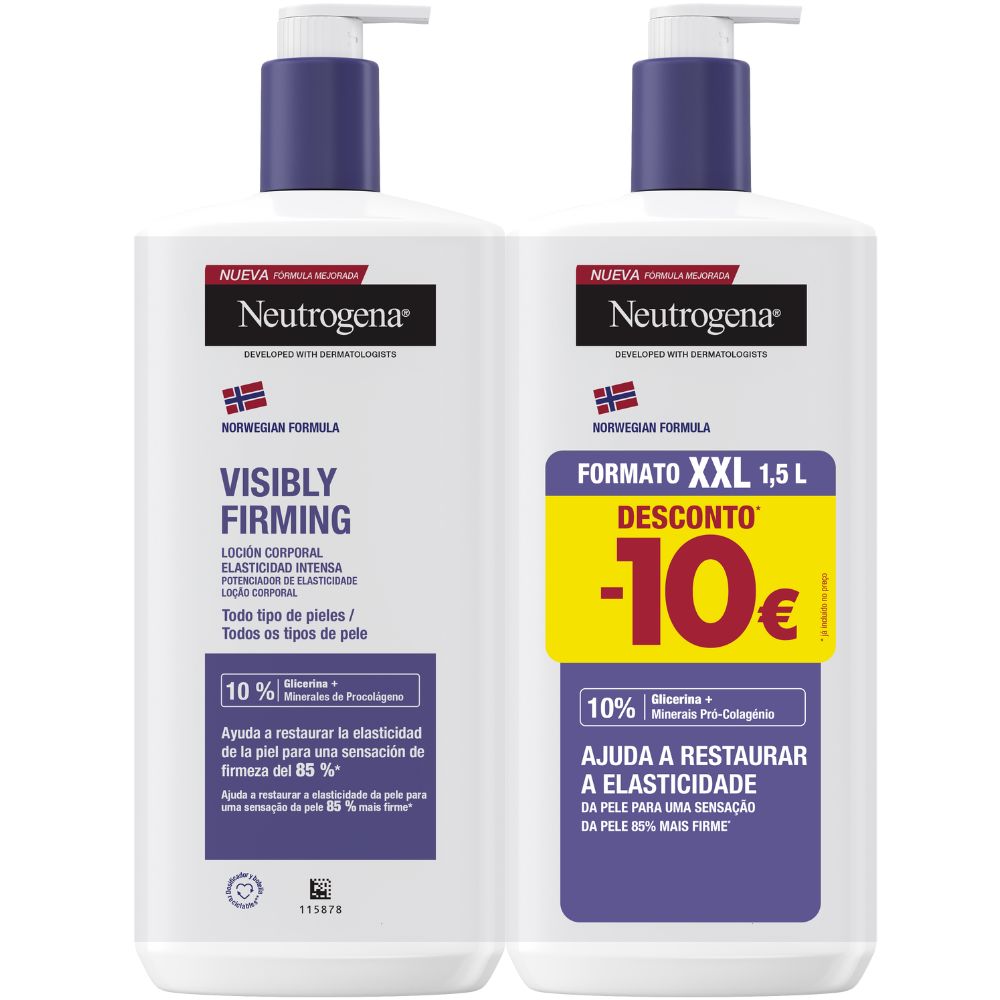
Neutrogena Visibly Renew Body LotionA body lotion for dry or dehydrated skin. Provides a daily moisturizing. Day after day, skin is visibly smoother, flexible and elastic. For best results, apply daily throughout the body in the morning and in the evening, twice a day.16,40 £*Shipping: 15,83 £Secure redirect to the provider
-
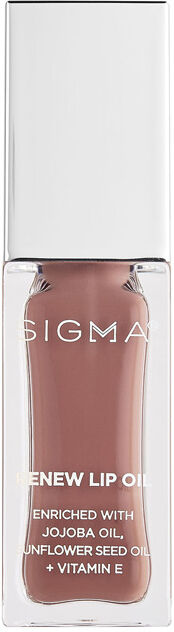
Sigma Renew Lip Oil-HushSigma Renew Lip Oils give your lips nourishment of a lip balm and the shine of a lip gloss in one perfect product These smooth, non-sticky lip oils add a protective layer of luxurious high-shine color, and hydration to your lips to help them look soft, supple, and juicy! Available Colours: Renew Lip Oil - Tint Renew Lip Oil - Tranquil Renew Lip Oil - All Heart Renew Lip Oil - Hush Ingredients: Tranquil: Polyglyceryl-2 Isostearate/Dimer Dilinoleate Copolymer, Dimer Dilinoleyl Dimer Dilinoleate, Diisostearyl Malate, Simmondsia Chinensis (Jojoba) Seed Oil, Caprylic/Capric Triglyceride, Disteardimonium Hectorite, Caprylyl Glycol, Helianthus Annuus (Sunflower) Seed Oil, Hydroxyacetophenone, Tocopherol, Tocopheryl Acetate, [May Contain / Peut contenir / Può contenere / (+/-): Titanium Dioxide (CI 77891), Iron Oxides (CI 77491), Iron Oxides (CI 77492), Red 7 Lake (CI 15850), Red 6 (CI 15850), Blue 1 Lake (CI 42090), Red 28 Lake (CI 45410), Yellow 5 Lake (CI 19140), Yellow 6 Lake (CI 15985)]. Hush: Polyglyceryl-2 Isostearate/Dimer Dilinoleate Copolymer, Dimer Dilinoleyl Dimer Dilinoleate, Diisostearyl Malate, Simmondsia Chinensis (Jojoba) Seed Oil, Caprylic/Capric Triglyceride, Disteardimonium Hectorite, Caprylyl Glycol, Citric Acid, Helianthus Annuus (Sunflower) Seed Oil, Hydroxyacetophenone, Tocopherol, Tocopheryl Acetate, [May Contain / Peut contenir / Può contenere / (+/-): Red 27 Lake (CI 45410), Iron Oxides (CI 77491), Blue 1 Lake (CI 42090), Red 28 Lake (CI 45410), Red 6 (CI 15850), Red 7 Lake (15850), Yellow 5 Lake (CI 19140), Yellow 6 Lake (CI 15985)]. All heart: Polyglyceryl-2 Isostearate/Dimer Dilinoleate Copolymer, Dimer Dilinoleyl Dimer Dilinoleate, Diisostearyl Malate, Simmondsia Chinensis (Jojoba) Seed Oil, Caprylic/Capric Triglyceride, Disteardimonium Hectorite, Caprylyl Glycol, Helianthus Annuus (Sunflower) Seed Oil, Hydroxyacetophenone, Tocopherol, Tocopheryl Acetate, [May Contain / Peut contenir / Può contenere / (+/-): Titanium Dioxide (CI 77891), Iron Oxides (CI 77491), Iron Oxides (CI 77492), Red 7 Lake (CI 15850), Red 6 (CI 15850), Blue 1 Lake (CI 42090), Red 28 Lake (CI 45410), Yellow 5 Lake (CI 19140), Yellow 6 Lake (CI 15985)]. Tint: Polyglyceryl-2 Isostearate/Dimer Dilinoleate Copolymer, Dimer Dilinoleyl Dimer Dilinoleate, Diisostearyl Malate, Simmondsia Chinensis (Jojoba) Seed Oil, Caprylic/Capric Triglyceride, Disteardimonium Hectorite, Caprylyl Glycol, Helianthus Annuus (Sunflower) Seed Oil, Hydroxyacetophenone, Tocopherol, Tocopheryl Acetate, [May Contain / Peut contenir / Può contenere / (+/-): Titanium Dioxide (CI 77891), Iron Oxides (CI 77491), Iron Oxides (CI 77492), Red 7 Lake (CI 15850), Red 6 (CI 15850), Blue 1 Lake (CI 42090), Red 28 Lake (CI 45410), Yellow 5 Lake (CI 19140), Yellow 6 Lake (CI 15985)].23,00 £*Shipping: 2,95 £Secure redirect to the provider
-
Why are carboxylic acids proton donors and amines proton acceptors?
Carboxylic acids are proton donors because they contain a highly electronegative oxygen atom that can stabilize the resulting carboxylate anion by delocalizing the negative charge. Amines, on the other hand, are proton acceptors because they contain a lone pair of electrons on the nitrogen atom that can readily accept a proton to form a positively charged ammonium ion. This ability to donate or accept protons is due to the presence of functional groups in these molecules that can easily gain or lose a hydrogen ion in solution. **
-
Are there only proton-proton collisions in the particle accelerator?
No, there are not only proton-proton collisions in the particle accelerator. Particle accelerators can also collide protons with other particles such as electrons or heavy ions like lead or gold. These collisions are important for studying different aspects of particle physics and for exploring the fundamental forces and particles that make up the universe. By colliding different types of particles, scientists can gain a better understanding of the fundamental building blocks of matter and the forces that govern their interactions. **
-
How secure is Proton?
Proton is considered to be a highly secure email service. It offers end-to-end encryption for emails, meaning that only the sender and recipient can read the contents of the messages. Proton also uses strong encryption protocols to protect user data and has a strict privacy policy that ensures user information is not shared with third parties. Additionally, Proton is based in Switzerland, known for its strong privacy laws, adding an extra layer of security for users. **
-
What are proton currents?
Proton currents refer to the flow of protons, which are positively charged particles, through a medium. This flow of protons can occur in various contexts, such as in biological systems, in proton-conducting materials, or in the context of proton exchange membrane fuel cells. Proton currents are important in many physiological processes, such as the generation of energy in cells through the process of oxidative phosphorylation. In the context of proton-conducting materials and fuel cells, proton currents are important for the generation of electrical energy. **
* All prices are inclusive of VAT and, if applicable, plus shipping costs. The offer information is based on the details provided by the respective shop and is updated through automated processes. Real-time updates do not occur, so deviations can occur in individual cases. ** Note: Parts of this content were created by AI.