Buy recode.eu ?
We are moving the project
recode.eu .
Are you interested in purchasing the domain
recode.eu ?
domain@kv-gmbh.de · 0541-91531010
Buy recode.eu ?
What is special about Taq polymerase?
Taq polymerase is special because it is derived from the thermophilic bacterium Thermus aquaticus, which thrives in high-temperature environments. This makes Taq polymerase highly heat-stable, allowing it to withstand the high temperatures used in the polymerase chain reaction (PCR) process. Additionally, Taq polymerase has a unique ability to add nucleotides to DNA strands at high temperatures, making it an essential enzyme for amplifying DNA in PCR. Its heat stability and unique enzymatic properties have made Taq polymerase a crucial tool in molecular biology and genetic research. **
When does the polymerase stop during PCR?
The polymerase stops during PCR at the end of each cycle when the temperature is lowered for the annealing step. This allows the primers to bind to the template DNA and the polymerase to begin synthesizing new DNA strands. After the annealing step, the polymerase resumes its activity during the extension step, where it adds nucleotides to the growing DNA strands. This cycle of denaturation, annealing, and extension is repeated multiple times to amplify the target DNA sequence. **


Similar search terms for Polymerase
Top-Angebote
Products related to Polymerase:
-
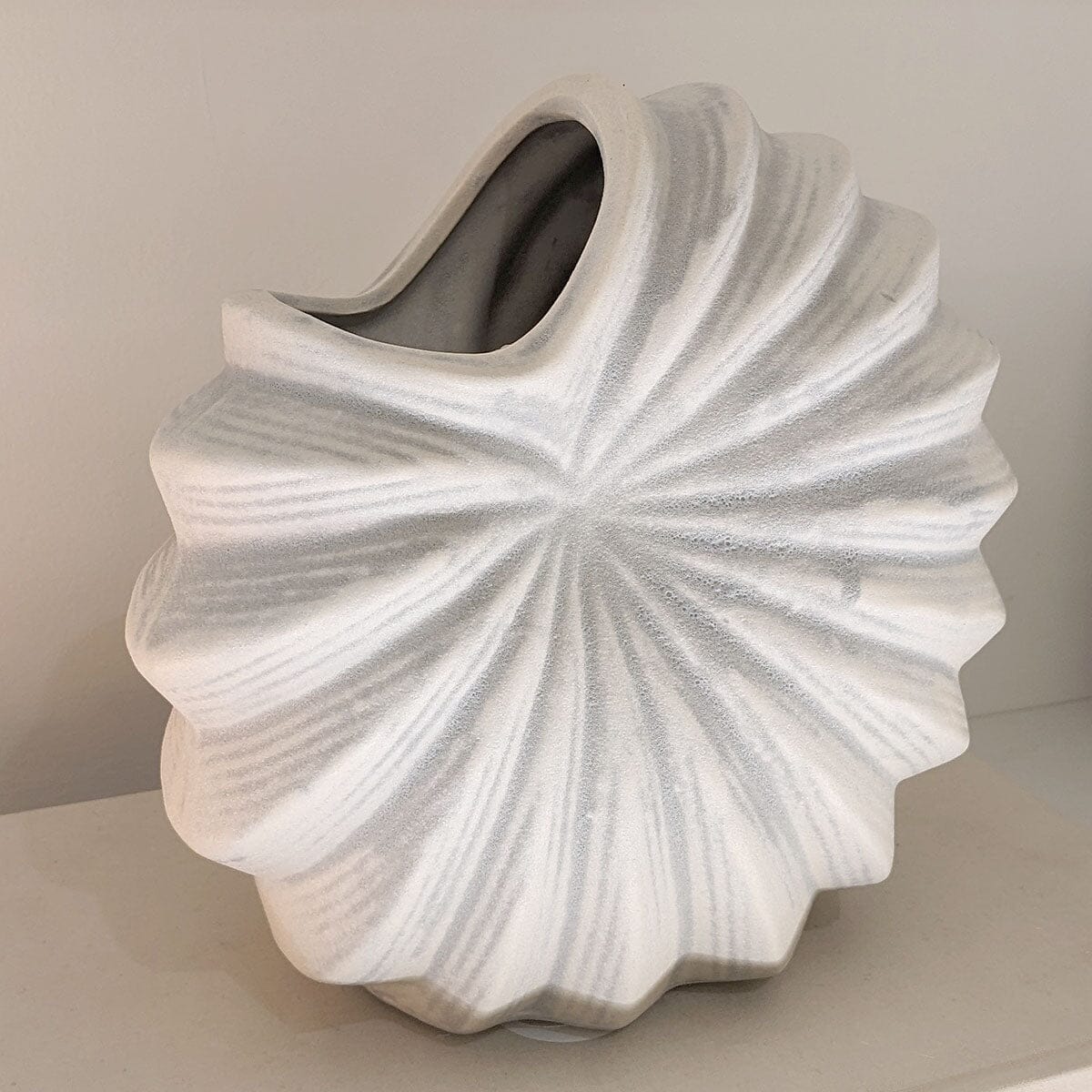
Renew White Textured Shell Decorative VaseThe Renew White Textured Shell Decorative Vase is a stunning coastal-inspired piece. With its unique shell design and textured white finish, it adds an airy, modern elegance to any room. Perfect for displaying dried flowers or as a standalone accent, this vase complements a variety of interior styles. Whether placed on a shelf, mantel, or table, it brings a touch of the seaside into your home, enhancing your décor with natural charm. Dimensions: 20.5 x 11 x 19.5cm24,00 £*Shipping: 4,99 £Secure redirect to the provider
-
Smeg Tritan Renew Hand Blender with AccessoriesHand blender with 3 accessories: graduated beaker, chopper, and wire whisk, ideal for the maximum versatility in the kitchen. 5-variable speed and turbo function to have the total control of the final result.179,95 $*Shipping: 0,00 $Secure redirect to the provider
-
Strick & Bolton Renew Traditional Medallion Area Rug"Strick & Bolton's Renew collection is made to brighten your room with metallic highlights and transitional designs. The cool neautral color pallet adds a modern flair to any style. These stunning rugs are made in Turkey with a 1/4"" pile height."201,99 $*Shipping: 0,00 $Secure redirect to the provider


-
What is the function of polymerase in biology?
Polymerase is an enzyme that plays a crucial role in DNA replication and transcription. It is responsible for catalyzing the formation of new DNA strands by adding complementary nucleotides to a template DNA strand during replication. In transcription, polymerase helps in the synthesis of RNA molecules by transcribing the genetic information from DNA. Overall, polymerase is essential for the accurate and efficient copying of genetic information in cells. **
-
What is the difference between ligase and polymerase?
Ligase and polymerase are both enzymes involved in DNA replication and repair, but they have different functions. Polymerase is responsible for adding new nucleotides to the growing DNA strand during replication, while ligase is responsible for joining together the Okazaki fragments on the lagging strand of DNA. In other words, polymerase synthesizes new DNA strands, while ligase seals the nicks and gaps in the DNA backbone. Additionally, polymerase requires a primer to start DNA synthesis, while ligase does not. **
-
What is the difference between helicase and RNA polymerase?
Helicase is an enzyme that unwinds the double-stranded DNA helix during DNA replication, while RNA polymerase is an enzyme that synthesizes RNA from a DNA template during transcription. Helicase functions to separate the two DNA strands, allowing other enzymes like DNA polymerase to access the DNA for replication. On the other hand, RNA polymerase reads the DNA template and synthesizes a complementary RNA strand. Overall, helicase is involved in DNA replication, while RNA polymerase is involved in transcription. **
-
What is the Polymerase Chain Reaction (PCR) in brief?
The Polymerase Chain Reaction (PCR) is a laboratory technique used to amplify a specific segment of DNA. It involves a series of temperature-controlled cycles that cause the DNA to be repeatedly copied, resulting in a significant increase in the amount of DNA available for analysis. PCR is widely used in various fields such as genetics, forensics, and medical diagnostics, as it allows for the rapid and efficient replication of DNA sequences. This technique has revolutionized the study and application of DNA, enabling researchers to analyze and manipulate genetic material with high precision and speed. **

Why can't the polymerase chain reaction be used to replicate dinosaur DNA?
The polymerase chain reaction (PCR) cannot be used to replicate dinosaur DNA because the DNA from dinosaurs is too old and degraded. Over millions of years, the DNA breaks down and becomes fragmented, making it impossible to accurately replicate using PCR. Additionally, the PCR process requires specific sequences of DNA to work effectively, and the degraded nature of dinosaur DNA makes it difficult to find intact sequences to amplify. Therefore, other methods, such as paleogenomics, are being explored to study and potentially replicate dinosaur DNA. **
Why is the polymerase chain reaction finally carried out at 72°C for several minutes?
The polymerase chain reaction (PCR) is carried out at 72°C for several minutes because this is the optimal temperature for the DNA polymerase enzyme to function. At this temperature, the DNA polymerase is able to efficiently and accurately replicate the DNA template by adding nucleotides to the growing DNA strand. Additionally, the high temperature helps to denature the double-stranded DNA, allowing the primers to bind to the single-stranded DNA template and initiate the replication process. Overall, the 72°C temperature is crucial for the successful amplification of the target DNA sequence during PCR. **
Top-Angebote
Products related to Polymerase:
-
Maria Nila Cream Heat Spray to Rebuild Damaged Hair 75mLA hair-care product. Cream Heat Spray rebuilds damaged hair, adds moisture, and prevents split ends while providing heat protection. Nourishing cream-based spray rebuilds damaged hair for improved health. Provides heat protection to shield hair from damage when using hot tools. Versatile formula can be used on both damp and dry hair for maximum convenience.14,03 £*Shipping: 5,34 £Secure redirect to the provider
-
Sigma Renew Lip Oil-HushSigma Renew Lip Oils give your lips nourishment of a lip balm and the shine of a lip gloss in one perfect product These smooth, non-sticky lip oils add a protective layer of luxurious high-shine color, and hydration to your lips to help them look soft, supple, and juicy! Available Colours: Renew Lip Oil - Tint Renew Lip Oil - Tranquil Renew Lip Oil - All Heart Renew Lip Oil - Hush Ingredients: Tranquil: Polyglyceryl-2 Isostearate/Dimer Dilinoleate Copolymer, Dimer Dilinoleyl Dimer Dilinoleate, Diisostearyl Malate, Simmondsia Chinensis (Jojoba) Seed Oil, Caprylic/Capric Triglyceride, Disteardimonium Hectorite, Caprylyl Glycol, Helianthus Annuus (Sunflower) Seed Oil, Hydroxyacetophenone, Tocopherol, Tocopheryl Acetate, [May Contain / Peut contenir / Può contenere / (+/-): Titanium Dioxide (CI 77891), Iron Oxides (CI 77491), Iron Oxides (CI 77492), Red 7 Lake (CI 15850), Red 6 (CI 15850), Blue 1 Lake (CI 42090), Red 28 Lake (CI 45410), Yellow 5 Lake (CI 19140), Yellow 6 Lake (CI 15985)]. Hush: Polyglyceryl-2 Isostearate/Dimer Dilinoleate Copolymer, Dimer Dilinoleyl Dimer Dilinoleate, Diisostearyl Malate, Simmondsia Chinensis (Jojoba) Seed Oil, Caprylic/Capric Triglyceride, Disteardimonium Hectorite, Caprylyl Glycol, Citric Acid, Helianthus Annuus (Sunflower) Seed Oil, Hydroxyacetophenone, Tocopherol, Tocopheryl Acetate, [May Contain / Peut contenir / Può contenere / (+/-): Red 27 Lake (CI 45410), Iron Oxides (CI 77491), Blue 1 Lake (CI 42090), Red 28 Lake (CI 45410), Red 6 (CI 15850), Red 7 Lake (15850), Yellow 5 Lake (CI 19140), Yellow 6 Lake (CI 15985)]. All heart: Polyglyceryl-2 Isostearate/Dimer Dilinoleate Copolymer, Dimer Dilinoleyl Dimer Dilinoleate, Diisostearyl Malate, Simmondsia Chinensis (Jojoba) Seed Oil, Caprylic/Capric Triglyceride, Disteardimonium Hectorite, Caprylyl Glycol, Helianthus Annuus (Sunflower) Seed Oil, Hydroxyacetophenone, Tocopherol, Tocopheryl Acetate, [May Contain / Peut contenir / Può contenere / (+/-): Titanium Dioxide (CI 77891), Iron Oxides (CI 77491), Iron Oxides (CI 77492), Red 7 Lake (CI 15850), Red 6 (CI 15850), Blue 1 Lake (CI 42090), Red 28 Lake (CI 45410), Yellow 5 Lake (CI 19140), Yellow 6 Lake (CI 15985)]. Tint: Polyglyceryl-2 Isostearate/Dimer Dilinoleate Copolymer, Dimer Dilinoleyl Dimer Dilinoleate, Diisostearyl Malate, Simmondsia Chinensis (Jojoba) Seed Oil, Caprylic/Capric Triglyceride, Disteardimonium Hectorite, Caprylyl Glycol, Helianthus Annuus (Sunflower) Seed Oil, Hydroxyacetophenone, Tocopherol, Tocopheryl Acetate, [May Contain / Peut contenir / Può contenere / (+/-): Titanium Dioxide (CI 77891), Iron Oxides (CI 77491), Iron Oxides (CI 77492), Red 7 Lake (CI 15850), Red 6 (CI 15850), Blue 1 Lake (CI 42090), Red 28 Lake (CI 45410), Yellow 5 Lake (CI 19140), Yellow 6 Lake (CI 15985)].23,00 £*Shipping: 2,95 £Secure redirect to the provider
-
Renew White Textured Shell Decorative VaseThe Renew White Textured Shell Decorative Vase is a stunning coastal-inspired piece. With its unique shell design and textured white finish, it adds an airy, modern elegance to any room. Perfect for displaying dried flowers or as a standalone accent, this vase complements a variety of interior styles. Whether placed on a shelf, mantel, or table, it brings a touch of the seaside into your home, enhancing your décor with natural charm. Dimensions: 20.5 x 11 x 19.5cm24,00 £*Shipping: 4,99 £Secure redirect to the provider
-
What is special about Taq polymerase?
Taq polymerase is special because it is derived from the thermophilic bacterium Thermus aquaticus, which thrives in high-temperature environments. This makes Taq polymerase highly heat-stable, allowing it to withstand the high temperatures used in the polymerase chain reaction (PCR) process. Additionally, Taq polymerase has a unique ability to add nucleotides to DNA strands at high temperatures, making it an essential enzyme for amplifying DNA in PCR. Its heat stability and unique enzymatic properties have made Taq polymerase a crucial tool in molecular biology and genetic research. **
-
When does the polymerase stop during PCR?
The polymerase stops during PCR at the end of each cycle when the temperature is lowered for the annealing step. This allows the primers to bind to the template DNA and the polymerase to begin synthesizing new DNA strands. After the annealing step, the polymerase resumes its activity during the extension step, where it adds nucleotides to the growing DNA strands. This cycle of denaturation, annealing, and extension is repeated multiple times to amplify the target DNA sequence. **
-
What is the function of polymerase in biology?
Polymerase is an enzyme that plays a crucial role in DNA replication and transcription. It is responsible for catalyzing the formation of new DNA strands by adding complementary nucleotides to a template DNA strand during replication. In transcription, polymerase helps in the synthesis of RNA molecules by transcribing the genetic information from DNA. Overall, polymerase is essential for the accurate and efficient copying of genetic information in cells. **
-
What is the difference between ligase and polymerase?
Ligase and polymerase are both enzymes involved in DNA replication and repair, but they have different functions. Polymerase is responsible for adding new nucleotides to the growing DNA strand during replication, while ligase is responsible for joining together the Okazaki fragments on the lagging strand of DNA. In other words, polymerase synthesizes new DNA strands, while ligase seals the nicks and gaps in the DNA backbone. Additionally, polymerase requires a primer to start DNA synthesis, while ligase does not. **
Similar search terms for Polymerase
-
Smeg Tritan Renew Hand Blender with AccessoriesHand blender with 3 accessories: graduated beaker, chopper, and wire whisk, ideal for the maximum versatility in the kitchen. 5-variable speed and turbo function to have the total control of the final result.179,95 $*Shipping: 0,00 $Secure redirect to the provider
-
Strick & Bolton Renew Traditional Medallion Area Rug"Strick & Bolton's Renew collection is made to brighten your room with metallic highlights and transitional designs. The cool neautral color pallet adds a modern flair to any style. These stunning rugs are made in Turkey with a 1/4"" pile height."201,99 $*Shipping: 0,00 $Secure redirect to the provider
-
Evolve Beauty Daily Renew Facial Cream 60mlPowered by super-hydrating hyaluronic acid and argan oil, this luscious Evolve Beauty formula moisturises and soothes normal to dry skin. Boasting a natural fragrance of hypoallergenic vanilla and coconut, the Daily Renew Facial Cream makes for a glorious, sensorial addition to your beauty regime. Hyaluronic acid can hold up to 1,000 times its weight in water, being a highly beneficial moisturising component. It helps reduce fine lines and wrinkles, boosting youthfulness and promoting collagen production. Evolve Organic Beauty use lower molecular weight Hyaluronic Acid as it is more effective. High in vitamin E, antioxidants and fatty acids, argan oil helps repair damaged skin, enhancing elasticity and plumpness as well as increasing radiance. Handmade in Hertfordshire, England. Vegan, cruelty-free formula. 99% natural, 32% organic. Ingredients Aqua (water), Cetearyl Alcohol, Helianthus Annuus (Sunflower) Seed Oil*, Butyrospermum Parkii (Shea Butter)*, Coco-Caprylate/Caprate, Glycerin*, Prunus Armeniaca (Apricot) Kernel Oil*, Sesamum Indicum (Sesame) Seed Oil*, Candelilla/Jojoba/Rice Bran Polyglyceryl-3 Esters, Glyceryl Stearate, Parfum (Fragrance), Punica Granatum (Pomegranate) Seed Oil*, Argania Spinosa (Argan) Kernel Oil*, Sodium Hyaluronate, Aloe Barbadensis Leaf Juice Powder*, Dipalmitoyl Hydroxyproline, Cetearyl Glucoside, Sodium Stearoyl Lactylate, Tocopherol, Lactic Acid, Dehydroacetic Acid, Xanthan Gum, Sodium Levulinate, Sodium Anisate.*Ingredients from Organic farming36,00 £*Shipping: 0,00 £Secure redirect to the provider
-
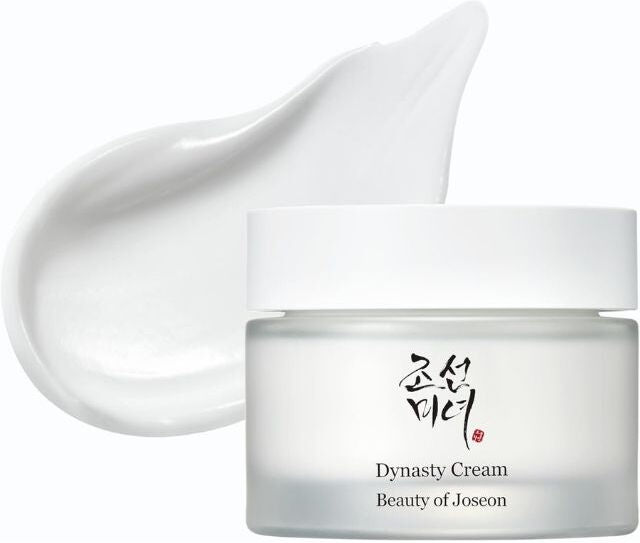
Beauty Of Joseon Renew Dynasty Cream 50mlNourish and revitalise your skin with the Beauty of Joseon Renew Dynasty Cream, a rich, multi-functional moisturiser designed to deliver long-lasting hydration while enhancing overall skin radiance. Inspired by traditional Korean skincare, this formula blends time-honoured herbal ingredients with modern actives to support a healthy, balanced complexion. Enriched with rice bran water and ginseng root water, it helps to deeply moisturise and improve skin texture, leaving the complexion looking brighter and more refined. The addition of niacinamide works to even out skin tone and regulate excess oil, while squalane helps to lock in moisture and protect the skin barrier from dryness. The cream’s buttery, cushion-like texture melts into the skin, delivering lasting nourishment without feeling heavy or greasy. Suitable for all skin types, it leaves skin feeling soft, smooth, and visibly plumper with a natural, dewy glow. Perfect as the final step in your skincare routine, this cult-favourite moisturiser helps maintain hydration levels while promoting a healthier, more luminous complexion over time.16,50 £*Shipping: 3,99 £Secure redirect to the provider
-
What is the difference between helicase and RNA polymerase?
Helicase is an enzyme that unwinds the double-stranded DNA helix during DNA replication, while RNA polymerase is an enzyme that synthesizes RNA from a DNA template during transcription. Helicase functions to separate the two DNA strands, allowing other enzymes like DNA polymerase to access the DNA for replication. On the other hand, RNA polymerase reads the DNA template and synthesizes a complementary RNA strand. Overall, helicase is involved in DNA replication, while RNA polymerase is involved in transcription. **
-
What is the Polymerase Chain Reaction (PCR) in brief?
The Polymerase Chain Reaction (PCR) is a laboratory technique used to amplify a specific segment of DNA. It involves a series of temperature-controlled cycles that cause the DNA to be repeatedly copied, resulting in a significant increase in the amount of DNA available for analysis. PCR is widely used in various fields such as genetics, forensics, and medical diagnostics, as it allows for the rapid and efficient replication of DNA sequences. This technique has revolutionized the study and application of DNA, enabling researchers to analyze and manipulate genetic material with high precision and speed. **
-
Why can't the polymerase chain reaction be used to replicate dinosaur DNA?
The polymerase chain reaction (PCR) cannot be used to replicate dinosaur DNA because the DNA from dinosaurs is too old and degraded. Over millions of years, the DNA breaks down and becomes fragmented, making it impossible to accurately replicate using PCR. Additionally, the PCR process requires specific sequences of DNA to work effectively, and the degraded nature of dinosaur DNA makes it difficult to find intact sequences to amplify. Therefore, other methods, such as paleogenomics, are being explored to study and potentially replicate dinosaur DNA. **
-
Why is the polymerase chain reaction finally carried out at 72°C for several minutes?
The polymerase chain reaction (PCR) is carried out at 72°C for several minutes because this is the optimal temperature for the DNA polymerase enzyme to function. At this temperature, the DNA polymerase is able to efficiently and accurately replicate the DNA template by adding nucleotides to the growing DNA strand. Additionally, the high temperature helps to denature the double-stranded DNA, allowing the primers to bind to the single-stranded DNA template and initiate the replication process. Overall, the 72°C temperature is crucial for the successful amplification of the target DNA sequence during PCR. **
* All prices are inclusive of VAT and, if applicable, plus shipping costs. The offer information is based on the details provided by the respective shop and is updated through automated processes. Real-time updates do not occur, so deviations can occur in individual cases. ** Note: Parts of this content were created by AI.