Buy recode.eu ?
We are moving the project
recode.eu .
Are you interested in purchasing the domain
recode.eu ?
domain@kv-gmbh.de · 0541-91531010
Buy recode.eu ?
What is the difference between permanent field cultivation and shifting cultivation?
Permanent field cultivation involves the continuous cultivation of the same piece of land over a long period of time, using methods such as irrigation and fertilization to maintain soil fertility. This type of cultivation is typically practiced in areas with stable and predictable environmental conditions. On the other hand, shifting cultivation involves the clearing of small plots of land for cultivation, which are then abandoned after a few years to allow the land to regenerate. This method is often used in areas with poor soil quality or where environmental conditions are less predictable. Shifting cultivation is also known as slash-and-burn agriculture, as the cleared land is often burned to prepare it for planting. **
What is greenhouse cultivation?
Greenhouse cultivation is a method of growing plants in a controlled environment within a structure made of transparent material, such as glass or plastic. This structure allows sunlight to enter and trap heat, creating a warm and stable climate for the plants. Greenhouse cultivation provides protection from extreme weather conditions, pests, and diseases, and allows for year-round production of crops. It also enables growers to control factors such as temperature, humidity, and light to optimize plant growth and yield. **

Similar search terms for Cultivation
Top-Angebote
Products related to Cultivation:
-
Strick & Bolton Renew Distressed Geometric Area Rug"Strick & Bolton's Renew collection is made to brighten your room with metallic highlights and transitional designs. The cool neautral color pallet adds a modern flair to any style. These stunning rugs are made in Turkey with a 1/4"" pile height."62,58 $*Shipping: 0,00 $Secure redirect to the provider
-
Strick & Bolton Renew Industrial Ombre Area Rug"Strick & Bolton's Renew collection is made to brighten your room with metallic highlights and transitional designs. The cool neautral color pallet adds a modern flair to any style. These stunning rugs are made in Turkey with a 1/4"" pile height."113,59 $*Shipping: 0,00 $Secure redirect to the provider
-
Strick & Bolton Renew Industrial Abstract Area Rug"Strick & Bolton's Renew collection is made to brighten your room with metallic highlights and transitional designs. The cool neautral color pallet adds a modern flair to any style. These stunning rugs are made in Turkey with a 1/4"" pile height."871,49 $*Shipping: 0,00 $Secure redirect to the provider



-
What are rice cultivation areas?
Rice cultivation areas are regions where rice is grown as a primary crop. These areas typically have specific climatic and soil conditions that are suitable for rice cultivation. Rice cultivation areas can vary in size from small family farms to large commercial operations, and they play a crucial role in providing food security for many countries around the world. Additionally, these areas often have a long history of rice cultivation and may have developed unique farming practices and traditions related to growing rice. **
-
What is a shifting cultivation?
Shifting cultivation, also known as slash-and-burn agriculture, is a traditional farming method in which a plot of land is cleared and cultivated for a few years, then abandoned and allowed to revert to its natural state while the farmer moves on to a new plot. The cleared land is typically burned to clear away the vegetation and provide nutrients for the soil. This method is often practiced by indigenous communities in tropical regions and is sustainable when done in moderation, allowing the land to regenerate during the fallow period. However, overuse of shifting cultivation can lead to deforestation and soil degradation. **
-
Can you explain shifting cultivation?
Shifting cultivation, also known as slash-and-burn agriculture, is a traditional farming method in which farmers clear a plot of land by cutting and burning the vegetation. The ashes from the burned vegetation provide nutrients to the soil, allowing farmers to grow crops for a few years before moving on to a new plot of land. This method is sustainable when practiced in a way that allows the land to regenerate, but it can lead to deforestation and soil degradation if not managed properly. Shifting cultivation is often practiced by indigenous communities in tropical regions around the world. **
-
Don't mushrooms grow in mushroom cultivation?
Yes, mushrooms do grow in mushroom cultivation. Mushroom cultivation involves creating the ideal conditions for mushrooms to grow, such as providing the right temperature, humidity, and substrate for the mushrooms to thrive. Through this process, mushrooms can be cultivated and harvested for consumption or commercial purposes. **


How high are the cultivation costs?
The cultivation costs can vary depending on various factors such as the size of the operation, location, cultivation method, and the specific crop being grown. Generally, cultivation costs can be significant due to expenses related to land, equipment, labor, seeds, fertilizers, pesticides, water, and energy. It is essential for farmers to carefully manage these costs to ensure profitability and sustainability in their operations. Additionally, implementing efficient practices and utilizing technology can help reduce cultivation costs in the long run. **
How does outdoor hemp cultivation work?
Outdoor hemp cultivation involves planting hemp seeds directly in the soil in an outdoor environment. The plants require ample sunlight, water, and nutrients to grow successfully. Farmers must monitor the plants for pests and diseases, and may need to implement organic pest control methods. Harvesting typically occurs in the fall when the plants have reached maturity, and the hemp is then dried and processed for various uses such as CBD extraction, fiber production, or seed harvesting. **
Top-Angebote
Products related to Cultivation:
-
Sigma Renew Lip Oil-HushSigma Renew Lip Oils give your lips nourishment of a lip balm and the shine of a lip gloss in one perfect product These smooth, non-sticky lip oils add a protective layer of luxurious high-shine color, and hydration to your lips to help them look soft, supple, and juicy! Available Colours: Renew Lip Oil - Tint Renew Lip Oil - Tranquil Renew Lip Oil - All Heart Renew Lip Oil - Hush Ingredients: Tranquil: Polyglyceryl-2 Isostearate/Dimer Dilinoleate Copolymer, Dimer Dilinoleyl Dimer Dilinoleate, Diisostearyl Malate, Simmondsia Chinensis (Jojoba) Seed Oil, Caprylic/Capric Triglyceride, Disteardimonium Hectorite, Caprylyl Glycol, Helianthus Annuus (Sunflower) Seed Oil, Hydroxyacetophenone, Tocopherol, Tocopheryl Acetate, [May Contain / Peut contenir / Può contenere / (+/-): Titanium Dioxide (CI 77891), Iron Oxides (CI 77491), Iron Oxides (CI 77492), Red 7 Lake (CI 15850), Red 6 (CI 15850), Blue 1 Lake (CI 42090), Red 28 Lake (CI 45410), Yellow 5 Lake (CI 19140), Yellow 6 Lake (CI 15985)]. Hush: Polyglyceryl-2 Isostearate/Dimer Dilinoleate Copolymer, Dimer Dilinoleyl Dimer Dilinoleate, Diisostearyl Malate, Simmondsia Chinensis (Jojoba) Seed Oil, Caprylic/Capric Triglyceride, Disteardimonium Hectorite, Caprylyl Glycol, Citric Acid, Helianthus Annuus (Sunflower) Seed Oil, Hydroxyacetophenone, Tocopherol, Tocopheryl Acetate, [May Contain / Peut contenir / Può contenere / (+/-): Red 27 Lake (CI 45410), Iron Oxides (CI 77491), Blue 1 Lake (CI 42090), Red 28 Lake (CI 45410), Red 6 (CI 15850), Red 7 Lake (15850), Yellow 5 Lake (CI 19140), Yellow 6 Lake (CI 15985)]. All heart: Polyglyceryl-2 Isostearate/Dimer Dilinoleate Copolymer, Dimer Dilinoleyl Dimer Dilinoleate, Diisostearyl Malate, Simmondsia Chinensis (Jojoba) Seed Oil, Caprylic/Capric Triglyceride, Disteardimonium Hectorite, Caprylyl Glycol, Helianthus Annuus (Sunflower) Seed Oil, Hydroxyacetophenone, Tocopherol, Tocopheryl Acetate, [May Contain / Peut contenir / Può contenere / (+/-): Titanium Dioxide (CI 77891), Iron Oxides (CI 77491), Iron Oxides (CI 77492), Red 7 Lake (CI 15850), Red 6 (CI 15850), Blue 1 Lake (CI 42090), Red 28 Lake (CI 45410), Yellow 5 Lake (CI 19140), Yellow 6 Lake (CI 15985)]. Tint: Polyglyceryl-2 Isostearate/Dimer Dilinoleate Copolymer, Dimer Dilinoleyl Dimer Dilinoleate, Diisostearyl Malate, Simmondsia Chinensis (Jojoba) Seed Oil, Caprylic/Capric Triglyceride, Disteardimonium Hectorite, Caprylyl Glycol, Helianthus Annuus (Sunflower) Seed Oil, Hydroxyacetophenone, Tocopherol, Tocopheryl Acetate, [May Contain / Peut contenir / Può contenere / (+/-): Titanium Dioxide (CI 77891), Iron Oxides (CI 77491), Iron Oxides (CI 77492), Red 7 Lake (CI 15850), Red 6 (CI 15850), Blue 1 Lake (CI 42090), Red 28 Lake (CI 45410), Yellow 5 Lake (CI 19140), Yellow 6 Lake (CI 15985)].23,00 £*Shipping: 2,95 £Secure redirect to the provider
-
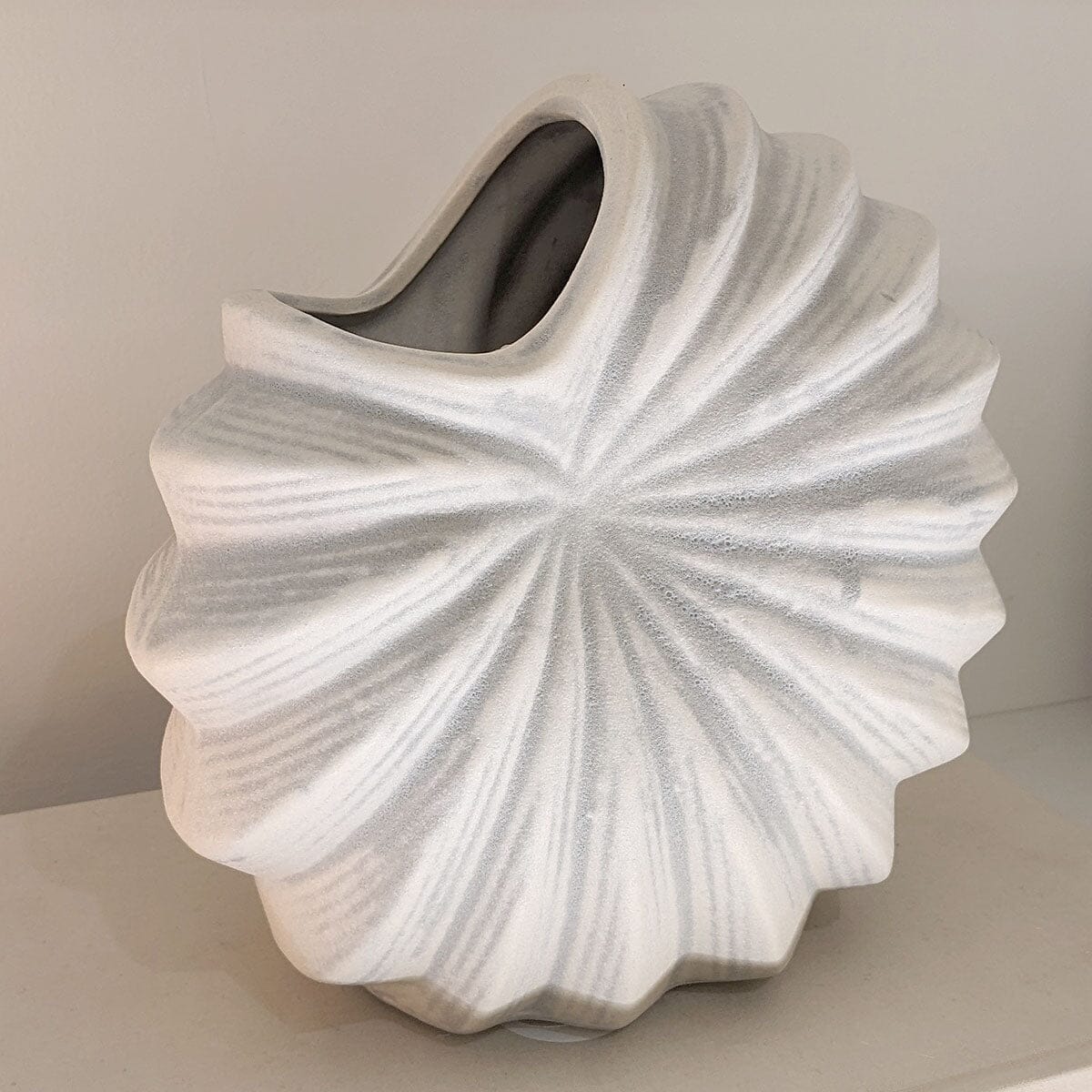
Renew White Textured Shell Decorative VaseThe Renew White Textured Shell Decorative Vase is a stunning coastal-inspired piece. With its unique shell design and textured white finish, it adds an airy, modern elegance to any room. Perfect for displaying dried flowers or as a standalone accent, this vase complements a variety of interior styles. Whether placed on a shelf, mantel, or table, it brings a touch of the seaside into your home, enhancing your décor with natural charm. Dimensions: 20.5 x 11 x 19.5cm24,00 £*Shipping: 4,99 £Secure redirect to the provider
-
Strick & Bolton Renew Distressed Geometric Area Rug"Strick & Bolton's Renew collection is made to brighten your room with metallic highlights and transitional designs. The cool neautral color pallet adds a modern flair to any style. These stunning rugs are made in Turkey with a 1/4"" pile height."62,58 $*Shipping: 0,00 $Secure redirect to the provider
-
What is the difference between permanent field cultivation and shifting cultivation?
Permanent field cultivation involves the continuous cultivation of the same piece of land over a long period of time, using methods such as irrigation and fertilization to maintain soil fertility. This type of cultivation is typically practiced in areas with stable and predictable environmental conditions. On the other hand, shifting cultivation involves the clearing of small plots of land for cultivation, which are then abandoned after a few years to allow the land to regenerate. This method is often used in areas with poor soil quality or where environmental conditions are less predictable. Shifting cultivation is also known as slash-and-burn agriculture, as the cleared land is often burned to prepare it for planting. **
-
What is greenhouse cultivation?
Greenhouse cultivation is a method of growing plants in a controlled environment within a structure made of transparent material, such as glass or plastic. This structure allows sunlight to enter and trap heat, creating a warm and stable climate for the plants. Greenhouse cultivation provides protection from extreme weather conditions, pests, and diseases, and allows for year-round production of crops. It also enables growers to control factors such as temperature, humidity, and light to optimize plant growth and yield. **
-
What are rice cultivation areas?
Rice cultivation areas are regions where rice is grown as a primary crop. These areas typically have specific climatic and soil conditions that are suitable for rice cultivation. Rice cultivation areas can vary in size from small family farms to large commercial operations, and they play a crucial role in providing food security for many countries around the world. Additionally, these areas often have a long history of rice cultivation and may have developed unique farming practices and traditions related to growing rice. **
-
What is a shifting cultivation?
Shifting cultivation, also known as slash-and-burn agriculture, is a traditional farming method in which a plot of land is cleared and cultivated for a few years, then abandoned and allowed to revert to its natural state while the farmer moves on to a new plot. The cleared land is typically burned to clear away the vegetation and provide nutrients for the soil. This method is often practiced by indigenous communities in tropical regions and is sustainable when done in moderation, allowing the land to regenerate during the fallow period. However, overuse of shifting cultivation can lead to deforestation and soil degradation. **
Similar search terms for Cultivation
-
Strick & Bolton Renew Industrial Ombre Area Rug"Strick & Bolton's Renew collection is made to brighten your room with metallic highlights and transitional designs. The cool neautral color pallet adds a modern flair to any style. These stunning rugs are made in Turkey with a 1/4"" pile height."113,59 $*Shipping: 0,00 $Secure redirect to the provider
-
Strick & Bolton Renew Industrial Abstract Area Rug"Strick & Bolton's Renew collection is made to brighten your room with metallic highlights and transitional designs. The cool neautral color pallet adds a modern flair to any style. These stunning rugs are made in Turkey with a 1/4"" pile height."871,49 $*Shipping: 0,00 $Secure redirect to the provider
-
Strick & Bolton Renew Distressed Geometric Area Rug"Strick & Bolton's Renew collection is made to brighten your room with metallic highlights and transitional designs. The cool neautral color pallet adds a modern flair to any style. These stunning rugs are made in Turkey with a 1/4"" pile height."68,09 $*Shipping: 0,00 $Secure redirect to the provider
-
Strick & Bolton Renew Industrial Ombre Area Rug"Strick & Bolton's Renew collection is made to brighten your room with metallic highlights and transitional designs. The cool neautral color pallet adds a modern flair to any style. These stunning rugs are made in Turkey with a 1/4"" pile height."69,59 $*Shipping: 0,00 $Secure redirect to the provider
-
Can you explain shifting cultivation?
Shifting cultivation, also known as slash-and-burn agriculture, is a traditional farming method in which farmers clear a plot of land by cutting and burning the vegetation. The ashes from the burned vegetation provide nutrients to the soil, allowing farmers to grow crops for a few years before moving on to a new plot of land. This method is sustainable when practiced in a way that allows the land to regenerate, but it can lead to deforestation and soil degradation if not managed properly. Shifting cultivation is often practiced by indigenous communities in tropical regions around the world. **
-
Don't mushrooms grow in mushroom cultivation?
Yes, mushrooms do grow in mushroom cultivation. Mushroom cultivation involves creating the ideal conditions for mushrooms to grow, such as providing the right temperature, humidity, and substrate for the mushrooms to thrive. Through this process, mushrooms can be cultivated and harvested for consumption or commercial purposes. **
-
How high are the cultivation costs?
The cultivation costs can vary depending on various factors such as the size of the operation, location, cultivation method, and the specific crop being grown. Generally, cultivation costs can be significant due to expenses related to land, equipment, labor, seeds, fertilizers, pesticides, water, and energy. It is essential for farmers to carefully manage these costs to ensure profitability and sustainability in their operations. Additionally, implementing efficient practices and utilizing technology can help reduce cultivation costs in the long run. **
-
How does outdoor hemp cultivation work?
Outdoor hemp cultivation involves planting hemp seeds directly in the soil in an outdoor environment. The plants require ample sunlight, water, and nutrients to grow successfully. Farmers must monitor the plants for pests and diseases, and may need to implement organic pest control methods. Harvesting typically occurs in the fall when the plants have reached maturity, and the hemp is then dried and processed for various uses such as CBD extraction, fiber production, or seed harvesting. **
* All prices are inclusive of VAT and, if applicable, plus shipping costs. The offer information is based on the details provided by the respective shop and is updated through automated processes. Real-time updates do not occur, so deviations can occur in individual cases. ** Note: Parts of this content were created by AI.